There’s a particular kind of frustration that every angler knows you drive forty minutes to your favorite fishing hole, open the bait bucket, and find a layer of dead minnows floating belly-up in water that’s gone warm and cloudy. The fish are biting. You are not. And the morning, which had such promise, quietly falls apart.
Keeping bait alive through summer heat isn’t just a matter of convenience. It’s the difference between a productive day on the water and an expensive lesson in biology. Live bait moves, pulses, and triggers predatory instincts in ways that plastic and metal simply can’t replicate. A half-dead shiner drifting sideways through the water column might as well be a lure and not a good one. The fish know.
So what’s actually happening when bait dies in the heat, and what can you do about it?
The Science Behind the Die-Off
Warm water holds less dissolved oxygen than cold water. That’s not an opinion it’s basic chemistry, and it’s the single most important fact governing live bait survival in summer. When water temperature climbs above 70°F, oxygen levels begin to drop noticeably. Push past 80°F, and you’re creating conditions that most baitfish simply cannot tolerate for long, regardless of how clean the water looks or how recently you changed it.
Bait also consumes oxygen faster when it’s stressed. Being scooped into a bucket, transported in a vehicle, and dropped into unfamiliar water is, from the minnow’s perspective, a series of catastrophic events. Stress accelerates respiration. Accelerated respiration depletes oxygen faster. Depleted oxygen causes more stress. It’s a cycle that can kill a full bucket of lively shiners in under an hour on a hot July morning if you’re not paying attention.
Add ammonia buildup from fish waste, and the situation compounds. Warm water accelerates bacterial growth and ammonia production. Even a small number of fish in a confined space will foul the water faster than most people realize. By the time the water smells off, you’ve already lost the fight.
Choosing the Right Container Before You Ever Leave Home
Most bait mortality problems begin before the first cast. The container you use matters enormously, and the standard white foam bucket while better than nothing is not doing you any favors in August.
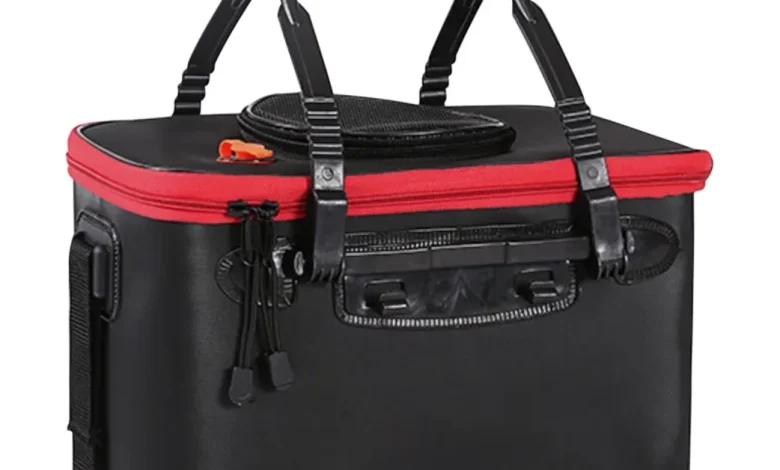
Insulated bait buckets with aeration are the baseline for serious summer fishing. The insulation slows heat transfer from the surrounding air, buying you critical time. But insulation alone won’t save your bait; you need oxygen replenishment, which means a battery-powered aerator running continuously. The small clip-on models work for short trips, but if you’re spending a full day out, invest in a slightly more robust unit with a longer battery life. They’re not expensive, and they pay for themselves in the first outing where your bait survives the afternoon.
Some anglers swear by live wells built into their boats, which are purpose-designed for exactly this problem. If you have one, use it properly keep the recirculation running, monitor the temperature, and don’t overcrowd it. A live well crammed with three times its recommended bait capacity will still fail you.
For those fishing from shore or wading, a portable cooler converted into a bait tank is a genuinely underrated solution. Pack the bottom with ice, place a sealed container of bait water on top, and run an aerator into it. The cooler maintains a stable temperature environment without the bait ever touching the ice directly. It’s low-tech and it works.
Water Temperature Is the Variable You’re Always Managing
Here’s where most anglers make their critical error: they focus on keeping the bait cool rather than keeping the water temperature stable. These sound like the same thing, but they’re not.
Rapid temperature swings are just as deadly as sustained heat. If you buy minnows from a bait shop where the tank is sitting at 65°F and immediately dump them into your bucket of 80°F water, you’ve just shocked them. Many will die within minutes, and the survivors will be so compromised that they’ll fade within the hour. The transition needs to be gradual float the bag or container in your bait water for ten to fifteen minutes before releasing them, the same way you’d acclimate fish to a new aquarium.
When adding ice to cool your bait water, don’t drop a handful of cubes directly into the bucket. Use frozen water bottles instead. They cool the water slowly and evenly, they don’t dilute the water chemistry, and when they melt, they don’t introduce whatever is in your tap water into the bait’s environment. It’s a small adjustment with a meaningful impact.
Target a water temperature between 55°F and 65°F for most common baitfish like shiners, creek minnows, and shad. Crawfish and nightcrawlers have more tolerance for warmth, but they still benefit from being kept cool and moist rather than baking in a container left in direct sun.
The Oxygen Equation on Long Days
Aeration is necessary. But on a long summer day, aeration alone may not be sufficient if you’re not also managing water quality.
Partial water changes are one of the most effective and underused tools in keeping bait alive. Every hour or two, replace about a third of the water in your bait container with fresh, cool water. This dilutes ammonia buildup, introduces oxygen, and resets the environment before it has a chance to become toxic. If you’re fishing near a clean water source a running creek, a clear lake use that water. If not, bring a gallon jug of dechlorinated water from home specifically for this purpose.
Some anglers add a small amount of non-iodized salt to their bait water, particularly for minnows. Salt reduces osmotic stress and has mild antibacterial properties. A teaspoon per gallon is a reasonable starting point. Don’t overdo it too much salt creates its own problems but a light concentration can meaningfully extend survival time.
Oxygen tablets, sold at most bait shops, are another option worth keeping in your kit. They’re not a replacement for aeration, but in a pinch dead battery, forgotten aerator they can buy you an extra hour or two. Think of them as emergency reserves rather than a primary strategy.
Where You Set the Bucket Matters More Than You Think
Shade is not optional in summer. It’s the first and most basic decision you make when you arrive at your fishing spot. A bait bucket sitting in direct sunlight on a hot dock will heat up faster than you can cool it down, regardless of what’s inside.
Look for natural shade under a tree, beside a dock piling, in the shadow of your boat’s hull. If you’re on an exposed bank with no shade, bring your own. A small camping umbrella staked into the ground costs almost nothing and can keep your bait alive through the hottest part of the afternoon.
Keep the bucket off hot surfaces. A metal dock in August can be scorching, and that heat transfers directly through the base of your container. Set it on grass, on a foam pad, on a cooler lid anything that insulates it from conducted heat below.
And resist the urge to check on your bait constantly. Every time you open the lid, you release cooled air and introduce warm air. Check when you need to, not out of habit.
Reading the Signs Before It’s Too Late
Healthy bait is active. Minnows should be schooling, moving with purpose, occasionally darting. When they start swimming near the surface and gasping a behavior called piping that’s your early warning. They’re oxygen-deprived. Act immediately: run the aerator at full capacity, do a partial water change, add a frozen bottle to drop the temperature.
Fish that are listing sideways or moving sluggishly are already compromised. They may still be usable as bait, but they won’t perform the way a healthy, lively minnow will. A bass chasing prey is responding to movement, to the erratic panic of something alive and trying to escape. A dying minnow doesn’t sell that story.
The anglers who consistently keep their bait alive through summer aren’t doing anything magical. They’re just paying attention earlier than everyone else watching the water temperature, watching the behavior of the bait, making small adjustments before small problems become total losses.
There’s a patience to it that mirrors fishing itself. You’re not waiting for something to go wrong. You’re creating the conditions where things are more likely to go right.