The Silent Revolution: Why Suppressors are Changing the Modern Range Experience

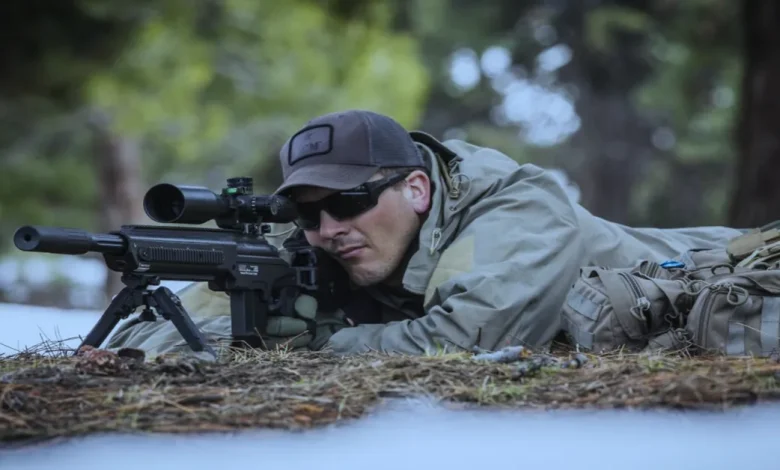
The Sound That Changed Everything
Walk into almost any shooting range in America ten years ago, and the sensory experience was nearly identical everywhere you went: the sharp, percussive crack of gunfire, the acrid smell of powder, and the universal uniform of foam earplugs jammed so deep they felt surgical. That was just the deal. You shot guns, guns were loud, and your hearing paid the long-term price. Nobody questioned it much. It was ritual, almost the way things had always been done.
Something has been quietly shifting, though. And the irony is that the shift itself makes almost no noise.
Suppressors or silencers, as they’re still commonly called despite the term being technically misleading have been moving steadily from the margins of American gun culture toward something approaching mainstream acceptance. Not just among tactical enthusiasts or the Hollywood-conditioned crowd who imagined them as tools of shadowy assassins. Regular shooters. Weekend hobbyists. Competitive marksmen. Even hunters who spent decades dismissing them as unnecessary gear are now showing up to the range with suppressed rifles, talking about them the way someone talks about finally buying a quality mattress. You didn’t know what you were missing until you weren’t missing sleep anymore.
The Hollywood Problem and the Reality Check
Part of what made suppressors so culturally misunderstood for so long is cinema’s complete inability to portray them accurately. In film after film, a suppressed pistol produces a sound roughly equivalent to a polite cough a soft “phew” that allows the fictional assassin to conduct business without disturbing the neighbors. Real life is considerably less cinematic. A suppressed firearm is still loud. A suppressed 9mm handgun typically registers somewhere between 125 and 135 decibels. That’s roughly the sound level of a jackhammer. The suppressor isn’t eliminating the noise; it’s managing it, reducing it, bringing it down from a level that causes immediate hearing damage to one that, with proper ear protection, is far more manageable.
That distinction matters enormously when you’re thinking about range culture. The goal was never silence. The goal was survivability for your hearing, for your shooting partners’ hearing, and increasingly, for the communities that find themselves geographically adjacent to shooting ranges.
What Happens to the Range Experience When the Decibels Drop
Spend an afternoon at a range where suppressors are common, and the atmosphere is noticeably different. The conversation doesn’t stop every time someone pulls a trigger. Instructors can actually speak to students without the theatrical pause-and-wait rhythm that defines traditional range instruction. New shooters, who often arrive already anxious about the noise, report that suppressed firearms make the entire learning experience feel less overwhelming. There’s a psychological dimension here that doesn’t get discussed enough: flinching.
Flinch is the enemy of accuracy. It’s the anticipatory muscle response your body develops when it expects a sudden, violent stimulus and a gunshot is about as sudden and violent a stimulus as your nervous system encounters in civilian life. Experienced shooters spend years conditioning themselves out of flinch. Beginners develop it almost immediately. Suppressors don’t eliminate the mechanical feedback of a shot, but they reduce the auditory shock enough that new shooters can actually focus on fundamentals instead of bracing for impact. Instructors who’ve worked with both suppressed and unsuppressed firearms consistently report that students progress faster when the auditory component is moderated. That’s not a minor footnote. That’s a fundamental change in how people learn to shoot.
The Regulatory Landscape Nobody Warned You Was This Complicated
Here’s where the story gets genuinely complicated, and where the gap between what suppressors actually are and how they’re regulated becomes almost philosophically interesting. In the United States, suppressors are regulated under the National Firearms Act of 1934 the same legislative framework that governs machine guns and short-barreled rifles. The process of legally acquiring one involves a federal background check, a $200 tax stamp that hasn’t changed since the Depression era, and a waiting period that has historically stretched anywhere from several months to over a year, depending on ATF processing times.
For a device that, in much of Europe, you can purchase over the counter at a sporting goods store the way Americans buy cleaning kits the regulatory architecture is striking. In countries like Finland, Norway, and New Zealand, suppressors are actively encouraged as a matter of public health and neighborly courtesy. The cultural framing is entirely different: they’re hearing protection, not weapons. The legal treatment reflects that framing.
The American situation is slowly, haltingly moving in a similar direction. Multiple states have passed legislation making suppressor ownership easier or removing state-level restrictions. The Hearing Protection Act, which has been introduced in Congress in various forms, would reclassify suppressors as ordinary firearms accessories rather than NFA items. It hasn’t passed, but the fact that it keeps getting introduced and keeps gaining cosponsors tells you something about where the political winds are blowing, even if slowly.
The Range as a Changing Institution
Shooting ranges themselves are adapting. Some have begun actively marketing suppressor-friendly policies as a competitive differentiator. Others have invested in suppressor rental programs, allowing curious shooters to try before committing to the legal and financial process of ownership. The financial commitment is real quality suppressors from reputable manufacturers like Silencerco, Dead Air, or Surefire typically run between $600 and $1,500 before the tax stamp so the ability to experience one before purchasing matters to a lot of people.
There’s also a community dimension emerging. Suppressor owners tend to talk to each other, share information about the acquisition process, compare notes on which calibers benefit most from suppression and which manufacturers deliver on their specs. It has the texture of a subculture developing its own vocabulary and rituals, the way any enthusiast community does when it reaches a certain critical mass. The waiting period, frustrating as it is, has an unexpected social side effect: it creates a shared experience. Everyone who’s gone through the NFA process has a story about the wait, about checking their status obsessively, about the day the stamp finally arrived.
Hearing Loss, the Invisible Epidemic Nobody Talks About
The public health argument for suppressors deserves more serious attention than it typically receives in the political conversation, which tends to get stuck on the cultural symbolism of the devices rather than their practical effects. Noise-induced hearing loss among shooters is genuinely widespread. Studies have consistently found that hunters and sport shooters experience higher rates of hearing damage than the general population. The CDC has documented the relationship between recreational firearm use and hearing loss extensively. And yet, the primary hearing protection solutions available to most shooters foam earplugs and passive earmuffs are imperfect tools. They muffle communication, reduce situational awareness, and are frequently worn incorrectly, providing far less protection than their ratings suggest.
Suppressors don’t replace ear protection in most shooting contexts, but they change the math. A shooter wearing quality electronic earmuffs on a range where suppressors are in use is operating in a fundamentally different acoustic environment than one standing next to unsuppressed firearms. The cumulative hearing damage that accumulates over a lifetime of range sessions looks different in those two scenarios.
What the Revolution Actually Looks Like
It’s not dramatic. That’s perhaps the most honest thing to say about it. There’s no single moment, no obvious before-and-after. It’s the gradual normalization of a technology that was never as exotic or dangerous as its legal and cultural treatment suggested. It’s ranges that used to ban suppressors now quietly accommodating them. It’s manufacturers who once ignored the suppressor market now building rifles with threaded barrels as standard. It’s the conversation at the bench between two strangers who both went through the same nine-month wait for their stamps, comparing notes like veterans of the same slow bureaucratic campaign.
The revolution is silent, which is fitting. And it’s still in progress, which means the most interesting chapters haven’t been written yet.