The $10 Survival Modification Every Hunter Should Make to Their Pack

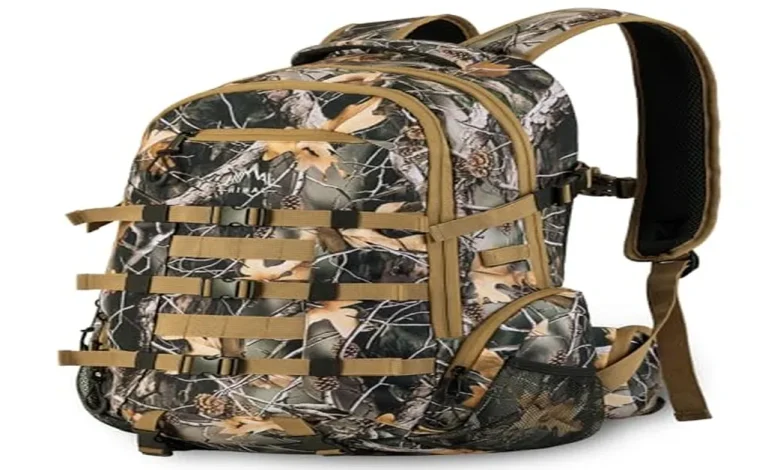
It was a Tuesday in late October when my buddy Derek stumbled back into camp looking like he’d fought a bear and lost not because anything dramatic happened, but because his pack had completely failed him at the worst possible moment. A zipper blew out on a steep descent, his gear scattered across a rocky slope, and by the time he’d collected everything, he’d lost two hours of daylight and his rain cover was somewhere at the bottom of a ravine. All of it preventable. All of it fixable for less than the price of a gas station sandwich.
That’s the thing nobody really talks about in the hunting community. We’ll spend $400 on a rangefinder and $200 on a merino base layer, but we completely ignore the small structural vulnerabilities in our packs that could turn a bad day into an actual emergency.
The Modification Nobody Talks About (But Should)
The fix is simple: a combination of paracord zipper pulls and a bright orange emergency cord wrap around your pack’s compression straps, finished off with a strip of reflective tape on the shoulder straps. Total cost at any hardware or outdoor store? Right around $8 to $12. I know that sounds almost insultingly simple. But hear me out.
Most hunting packs even expensive ones come with tiny, hard-to-grip zipper pulls that become nearly impossible to operate when you’re wearing heavy gloves in freezing temperatures. Your fingers go numb, you’re fumbling around in the dark before first light, and you’re making noise at exactly the moment you can’t afford to. Replacing those pulls with 4-inch loops of paracord takes about ten minutes and costs almost nothing.
But that’s only half of it.
Why the Reflective Tape Part Actually Matters More
Here’s the piece that most hunters either skip or laugh off: a two-inch strip of reflective tape on each shoulder strap. I resisted this for years. Thought it looked tacky. Thought it would spook game.
I was wrong about that, and I’ll say it plainly.
Deer and elk aren’t spooked by small reflective surfaces they’re spooked by movement, scent, and silhouette. A half-inch strip of tape is not going to blow your cover. But if you get turned around at dusk and if you’ve hunted long enough, you know that “I won’t get lost” is the most famous last words in the woods that tape is what helps a search party or a hunting partner find you on a dark hillside. It’s also what helps you spot your own pack if you’ve set it down and need to relocate it fast.
Ask yourself this: if you had to find a dark green or camo pack on a shadowed slope at 6:15 PM, how long would that actually take?
The Paracord Upgrade, Step by Step
You don’t need to be crafty or patient for this. Really.
Grab about six feet of 550 paracord the kind rated for actual load-bearing, not the decorative stuff. Cut four-inch lengths for each zipper pull on your pack. Thread the paracord through the existing zipper pull hole, tie a simple overhand knot at the base, and melt the ends slightly with a lighter so they don’t fray. That’s it. You now have pulls you can actually grip with gloved hands, in the dark, in a hurry.
The orange color matters here not for visibility to animals, but for your own visibility to yourself. When you’re digging through a pack in low light, bright orange pulls are the difference between finding your first aid kit in 10 seconds or 90 seconds. In a real emergency, that gap is not trivial.
What to Do With the Compression Straps
This is where people get a little creative, and honestly do whatever works for you. The basic idea is to weave a short length of brightly colored paracord through your compression strap buckles so that you have a visual anchor point when everything else looks the same shade of earth tone.
Some hunters tie a small loop at the top of each strap. Some just do a single overhand wrap. I’ve seen guys use a figure-eight knot that doubles as an emergency cordage anchor if a strap breaks mid-hunt. That last one is actually smart a busted compression strap on a loaded pack is a miserable problem to solve with cold hands and no backup material.
One thing I’d caution against: don’t go overboard with the paracord decoration. I’ve seen packs so wrapped up in cord that the person couldn’t actually access half their buckles without untying something. Keep it functional. Keep it simple.
The Survival Angle Nobody Wants to Think About
Here’s the slightly uncomfortable part of this conversation.
Most hunters don’t think of themselves as people who need survival modifications. That’s for the TV guys, right? The ones doing extreme backcountry stuff in Alaska or the Bob Marshall Wilderness?
Except the majority of hunting-related emergency calls and I mean the ones where people actually need to be found happen within five miles of a trailhead. Not deep wilderness. Not extreme terrain. Regular hunting ground, where someone twisted an ankle, lost the trail in the dark, or just got turned around in fog that rolled in faster than expected.
The $10 modification isn’t for the worst-case scenario you’ve imagined. It’s for the medium-bad scenario you haven’t.
A Small Upgrade That Changes Your Whole Relationship With Your Pack
Here’s something I didn’t expect when I first made these changes: I started trusting my pack more. That sounds strange, maybe, but when your gear actually works under pressure when the zipper pull doesn’t slip out of your gloved fingers, when you can spot your pack from 30 yards away in low light you move differently. You’re less anxious about the small mechanical things and more focused on the hunt itself.
Derek, for his part, made the modification about a week after his October disaster. He texted me a photo of his pack with bright orange pulls and a strip of reflective tape on each shoulder strap. His message said: “Feels stupid that I didn’t do this sooner.”
That’s pretty much the whole story.
You don’t need a gear overhaul. You don’t need to spend a weekend watching modification tutorials. You need six feet of paracord, a roll of reflective tape, a lighter, and about twenty minutes. Your pack will work better, you’ll be easier to find if something goes wrong, and you’ll wonder why every hunting pack doesn’t come this way from the factory.
Honestly? I wonder that too.