Is Your Barrel Copper-Fouled? Here’s How to Tell Without a Borescope

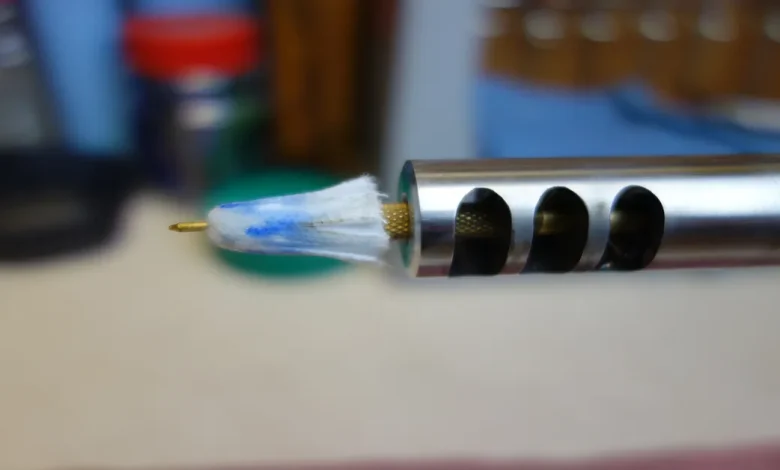
Is Your Barrel Copper-Fouled? Here’s How to Tell Without a Borescope
My buddy Dave a guy who’s been shooting competitively for about twelve years swore up and down that his .308 was just “having a bad day.” Groups that used to sit inside an inch were suddenly spreading to three. He blamed the ammo. Then the scope. Then the wind, even though it was barely moving. It took him three range sessions and a lot of wasted brass before someone finally asked him the obvious question: when did you last clean for copper?
He hadn’t. Not properly. Not in months.
That’s the thing about copper fouling it sneaks up on you. It doesn’t announce itself. Your rifle just quietly gets worse, and you start doubting everything except the actual problem sitting inside your barrel.
What Copper Fouling Actually Does to Your Groups
Copper builds up in the rifling over time, especially in the lands and grooves where the bullet engraves as it travels down the bore. A thin, even layer of copper isn’t always a problem some shooters actually argue it can temporarily improve accuracy, and honestly, there’s something to that but once it gets uneven, it starts messing with bullet spin, exit velocity consistency, and the way gases seal behind the projectile.
The result? Flyers. Inconsistent vertical spread. Groups that open up for no apparent reason.
But here’s what most people don’t realize: you don’t need a borescope to figure out if copper is your problem. A borescope is nice. It’s not required.
Signs You’re Looking At Copper Fouling, Not Something Else
Your patches are coming out blue or green
This is the most obvious tell, and if you’re not watching your patches, start now. Run a clean patch soaked in a copper solvent something like Barnes CR-10, Bore Tech Eliminator, or even plain old Hoppes Bench Rest and pull it through. If it comes back with any blue or greenish tint, that’s copper. No debate. The chemical reaction between ammonia-based solvents and copper deposits is what causes that color shift.
A faint blue tinge means light fouling. A patch that comes out looking like a Smurf? You’ve got work to do.
Accuracy degraded after a specific round count
Keep a rough log or even just a mental note of how many rounds you’ve put through since your last thorough cleaning. Copper fouling tends to accumulate fastest between about 50 and 200 rounds depending on bullet construction, velocity, and barrel steel. If your groups started opening up right in that window, copper is a reasonable suspect before anything else.
Jacketed bullets foul more than moly-coated ones. Higher velocity loads foul faster. Faster twist rates can accelerate it too.
Cleaning rods feel like they’re dragging
This one’s subtle, but experienced shooters notice it. When you run a dry patch or a bronze brush through a heavily copper-fouled barrel, there’s a distinct resistance almost a stickiness compared to a clean bore. It’s not dramatic, but once you’ve felt both, you know the difference. Trust that feeling. It’s telling you something.
The Patch Test That Actually Works
Here’s a simple protocol that’ll give you a pretty clear answer without spending money on a borescope.
Let the barrel cool completely. Heat causes copper to behave differently, and you want a consistent baseline. Run two or three dry patches first to get out any loose carbon and oil. Then soak a patch in your copper solvent of choice and push it through don’t scrub, just push. Let it sit for about ten minutes, then pull another dry patch through.
Look at that patch under decent light. Natural light works better than overhead fluorescents, weirdly.
If the patch has any blue or green color at all, you’ve got copper. If it comes out gray or brown, that’s carbon and lead different problem, different solution. If it comes out essentially clean, your barrel is in better shape than you thought.
Run the process again after scrubbing with a bronze brush and another solvent-soaked patch. If the blue keeps coming back patch after patch, you’re dealing with significant buildup.
The One Thing I Got Wrong for Years
I used to think that if my barrel looked shiny when I held it up to the light, it was clean. Shiny equals clean, right?
Wrong. Completely wrong.
Copper actually has a reflective quality. A heavily copper-fouled bore can look almost polished when you’re eyeballing it from the chamber end. I ran a rifle for probably a full season thinking it was fine because it “looked clean,” while my groups were slowly getting worse. It wasn’t until I started doing the patch test religiously that I understood what was actually happening in there.
Shiny doesn’t mean clean. It might mean the opposite.
What About Ammonia-Free Solvents?
There’s a growing crowd that avoids ammonia-based copper solvents because of concerns about barrel steel specifically, the idea that ammonia can damage the bore if left in too long. This is a real consideration, not just internet paranoia. Don’t let any ammonia-based solvent sit in your barrel for more than 15-20 minutes without running patches through.
But here’s the thing: the color-change diagnostic only works reliably with ammonia-based products. Ammonia-free copper solvents are gentler, but they won’t give you that vivid blue-green indicator. You’ll still remove copper, but you’ll be flying blind on how much you’re actually pulling out.
If you want the diagnostic value, use ammonia. Just don’t leave it sitting overnight and then wonder why people are telling you it’s bad for barrels.
How Often Should You Actually Check?
Honestly? Every cleaning session. It takes thirty extra seconds to look at a patch, and it gives you real information about what’s happening inside a barrel you otherwise can’t see.
Most recreational shooters clean for carbon and call it done. That’s fine for casual use. But if you care about accuracy and if you’re reading this, you probably do building the patch-check habit will save you a lot of “what’s wrong with my rifle” headaches down the road.
Dave eventually figured out his problem, by the way. Two rounds with CR-10 and a bronze brush, and his groups went back to where they were. Three range sessions of blaming everything else, and the fix took about forty minutes.
So before you start swapping scopes or blaming your ammo when did you last actually check for copper?