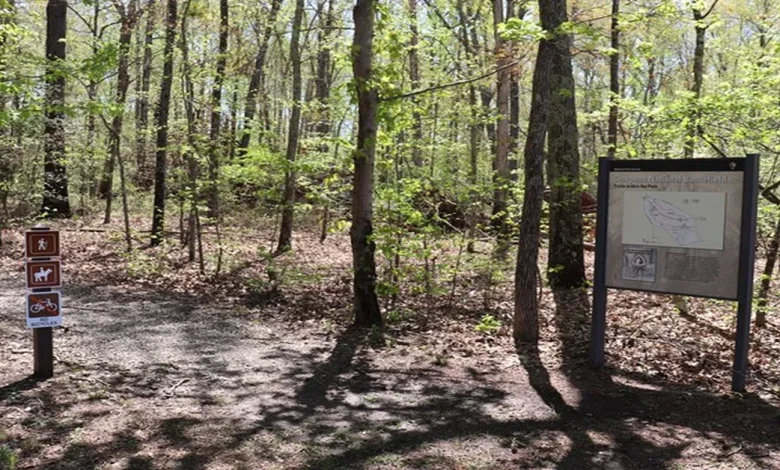
You’re Standing at a Locked Gate, and You Have No Idea Who to Call
You drove forty minutes down a dirt road, spotted the perfect ridge for opening weekend, and now there’s a chain-link fence, a No Trespassing sign, and a whole lot of silence. Sound familiar? Finding private land access is one of those things that sounds simple until you’re actually trying to do it and then suddenly it feels like you’re trying to get a meeting with someone who doesn’t know you exist and has every reason to say no.
Here’s the thing most hunters and outdoorsmen won’t admit: the problem usually isn’t the landowner. It’s the approach.
Why the Cold-Knock Strategy Fails More Than People Think
There’s a common assumption floating around that if you just show up at someone’s farmhouse, hat in hand, looking friendly, you’ll get a yes. And sometimes that works. But I’ve talked to enough rural landowners and made enough awkward doorstep visits myself to know that the cold knock is a lot like cold calling. Most of the time, you’re interrupting someone’s Tuesday.
I remember pulling up to a property in central Missouri a few years back. Nice-looking place. Beef cattle operation. I knocked, introduced myself, said I was interested in deer hunting the timber on the back forty. The guy wasn’t rude. He just said, “Had a bad experience last year,” and closed the door. I had no context, no relationship, no reason for him to trust me. I was just another stranger who wanted something.
That trip taught me more than a successful one would have.
Start With the Paper Trail, Not the Driveway
Before you ever knock on a door or send a text, do your homework. County tax records are public in most states, and they’ll tell you exactly who owns the parcel you’re looking at. Your county assessor’s website is usually where you start plug in a parcel number or address and you’ll get the owner’s name, sometimes a mailing address, and occasionally contact info.
This matters because you might find out the land is owned by a trust, an LLC, or someone who lives three states away. That changes your whole approach. A letter sent to the right address not just a knock at whatever house is nearest shows you did your homework. And landowners notice that.
Apps like onX Hunt and HuntStand have made this dramatically easier. You can see property boundaries overlaid on satellite imagery, identify ownership, and even note access points before you ever leave your couch. That’s not cheating that’s just being prepared.
How to Actually Ask Without Making It Weird
Here’s where most people overthink it, or underthink it completely.
A handwritten letter still works. Probably better than you’d expect in 2024. Keep it short. Tell them who you are, where you’re from, what you’re hoping to do, and this is the part people skip what you’re offering in return. Not money necessarily. Maybe it’s sharing your harvest, helping with a fence line, keeping an eye on the property during season. Give them a reason to say yes that isn’t just “because you asked nicely.”
When you do make contact in person, go during reasonable hours. Not at 6am, not at dinnertime. Mid-morning on a weekday is often ideal for farm operations. Don’t bring your whole crew on the first visit that’s overwhelming. One person, clear intentions, short conversation.
And for the love of everything, don’t ask to see the property on the first conversation. That’s moving too fast.
The Part Nobody Talks About: Maintaining Access Is Harder Than Getting It
Getting permission once is the easy part. Keeping it year after year is where most people fall apart.
Leave the land better than you found it. Close every gate. Pack out every piece of trash including the stuff that wasn’t yours. If you said you’d share meat, actually share it. If you told them you’d let them know when you’re coming out, do that every single time without being asked.
I know a guy named Dale who had permission on a 600-acre cattle ranch in eastern Kansas for eleven years running. When I asked him his secret, he said, “I treat it like I’m borrowing someone’s truck. You fill the tank, you wash it, and you bring it back without a scratch.” That’s it. That’s the whole philosophy.
But here’s the counterintuitive part don’t be too present. Some hunters think showing up constantly, bringing gifts, chatting up the landowner every visit, builds goodwill. It can tip into being a nuisance just as fast as being absent. Read the room. Some landowners want a quick check-in. Others want to know you’re out there but not feel like they have to host you.
Using Local Networks to Find Private Land Access
Sometimes the best path to private land access isn’t a direct one.
Feed stores, co-ops, local diners these are still legitimate places where word travels. If you’re new to an area, becoming a regular somewhere local before you start asking about land isn’t manipulation. It’s just how rural communities work. People lease or grant access to people they know, or people vouched for by people they know.
State wildlife agencies sometimes have walk-in hunting programs or private lands programs where landowners have already agreed to allow access in exchange for habitat improvements or cost-sharing. These programs are underused and worth checking. You might not get the most glamorous ground, but you’ll get legal, legitimate access without having to cold-knock a single door.
Sportsmen’s clubs and local hunting organizations are another route. A lot of private land access gets passed around within those networks quietly not because it’s secretive, but because trust is already built in.
What to Do When the Answer Is No
Respect it. Immediately and without negotiating.
Don’t ask why. Don’t try to counter-offer on the spot. Don’t say “maybe next year?” in a way that sounds like pressure. Just say thank you, mean it, and leave. You’d be surprised how often a clean, gracious no turns into a yes the following season because the landowner remembers you were decent about it.
The people who push back, who linger, who send follow-up letters after being told no those are the people who ruin it for everyone else on that property, possibly forever.
Is it frustrating to walk away empty-handed after all that effort? Absolutely. But private land access is built on trust, and trust doesn’t survive pushiness.
The one thing you can’t afford to be, in any of this, is forgettable in the wrong direction. Do everything right and they might not remember your name. Do one thing wrong and they’ll remember it for a decade.