Could You Be a Professional Bike Mechanic? The Reality of the Trade

The Allure of the Trade
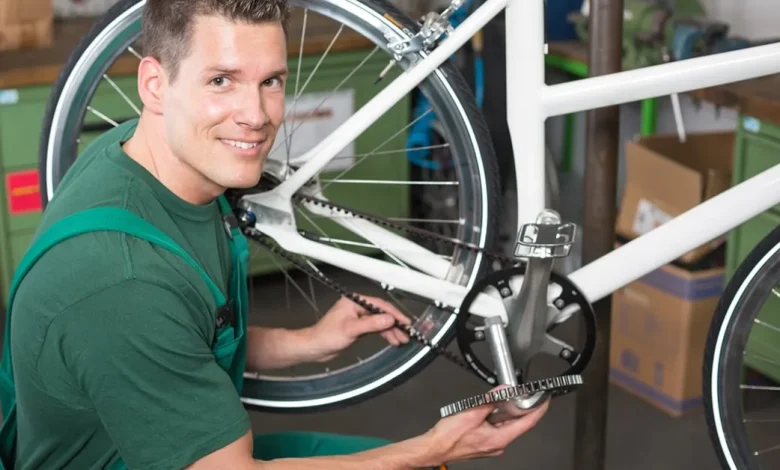
There’s something magnetic about a workspace filled with the hum of spinning wheels, the glint of polished tools, and the scent of lubricants mingling with fresh rubber. For some, the idea of becoming a professional bike mechanic is more than just a career path it’s a lifestyle. It evokes images of independence, creativity, and a hands-on connection to the machines that carry us through city streets and mountain trails. But the romanticism often associated with this profession can obscure the realities that come with it.
A Craft Rooted in Complexity
At its core, bike mechanics is a trade steeped in technical precision. Modern bicycles are no longer simple machines; they’ve evolved into highly engineered systems, incorporating advanced materials like carbon fiber, hydraulic braking systems, electronic shifting, and even wireless connectivity. A professional bike mechanic must not only understand the mechanics of traditional bicycles but also stay abreast of these innovations.
Take electronic shifting systems as an example. They require not just mechanical adjustments but also software updates and troubleshooting, tasks that might feel closer to IT work than the grease-stained repairs people often imagine. A misstep here can result in performance issues, and for customers who’ve invested thousands into their high-end rides, perfection isn’t optional it’s expected.
The Physical and Mental Toll
The job isn’t just about technical knowledge; it’s also physically demanding. Standing for hours on end, hoisting hefty bikes onto repair stands, and bending into awkward angles to adjust bottom brackets or align derailleurs can take a toll on the body. Over time, repetitive strain can creep in, leading to aching backs, sore wrists, and stiff knees a reminder that this is as much a physical craft as it is a mental one.
But the mental toll can be just as taxing. Bike mechanics often operate in fast-paced environments, particularly during peak cycling seasons. Imagine a summer day when dozens of cyclists walk into the shop with last-minute tune-up requests before a big race or weekend ride. Time pressure, coupled with the expectation of flawless results, can create a high-stress working environment.
Not Just a Job A Customer Service Role
It’s easy to picture bike mechanics as solitary craftsmen, lost in the rhythm of their work amid rows of hanging tools. But much of the job involves customer interaction. A mechanic isn’t just fixing bikes; they’re diagnosing problems, explaining solutions, and often serving as a sounding board for customers who might vent frustrations about their equipment.
Consider the scenario where a customer comes in with a creaking noise they can’t pinpoint. While the mechanic’s technical expertise might solve the issue, the customer’s experience goes beyond the repair itself. It’s about trust, communication, and ensuring they feel confident in the solution provided. The ability to build rapport and manage expectations is an underappreciated skill in this profession.
The Financial Realities
For those dreaming of a lucrative career, it’s worth noting that bike mechanics aren’t typically among the highest earners. Entry-level positions often start at modest wages, and even seasoned professionals might find their income limited compared to other technical trades.
This financial aspect can be a tough pill to swallow, especially when factoring in the cost of tools, ongoing education, and certification programs like those offered by organizations such as the United Bicycle Institute (UBI). True, some bike mechanics eventually move into shop management or open their own businesses, but the road to financial stability in this field is often long and requires dedication.
Passion as the Driving Force
Despite the challenges, many bike mechanics wouldn’t trade their profession for anything else. Passion remains the fuel that keeps them going. For those who love the intricate dance of gears and chains, who take pride in transforming a squeaky, sluggish bike into a smooth-as-butter ride, the rewards are often intangible.
There’s a unique satisfaction in solving a particularly tricky problem like locating the source of an elusive noise or restoring a vintage frame to its former glory. And when a customer takes their repaired bike for a test ride, returns with a smile, and offers a heartfelt “thank you,” it can feel like a validation of their craft and effort.
Could You Fit the Mold?
Becoming a professional bike mechanic isn’t just about technical ability it’s about mindset. Do you have the patience to troubleshoot complex systems? The resilience to handle physical and mental demands? The interpersonal skills to navigate customer interactions? Perhaps most importantly, do you have the passion to embrace the highs and lows of this trade?
It’s a profession that rewards those who are endlessly curious, willing to learn, and eager to adapt to the constant evolution of cycling technology. But it also demands humility, grit, and a deep commitment to the craft.
The Open Road Awaits
If you’re considering taking the plunge, the journey starts with education whether through apprenticeships, formal certification programs, or hands-on experience at a local shop. From there, the road unfolds like the winding paths cyclists love to explore: unpredictable, challenging, but full of possibility.
And perhaps that’s the beauty of it. Much like the bikes themselves, the profession of a bike mechanic isn’t static. It evolves, grows, and adapts, just as the people drawn to it often do. So, could you be a professional bike mechanic? The answer lies not in whether you can handle the tools, but whether you can embrace the journey one turn of the wrench at a time.