Ultralight or Ultra-Safe? Finding the Balance in Your High-Altitude Pack

The Weight Debate That Never Really Ends
There’s a particular kind of argument that happens at trailheads, in gear shops, and across hiking forums at two in the morning the one about how much your pack should weigh. It’s passionate, occasionally self-righteous, and almost always missing the point. Because the real question was never “how light can you go?” It was always “how light can you go and still come home?”
At sea level, getting this wrong is uncomfortable. At altitude, getting it wrong is something else entirely.
High-altitude environments think anything above 10,000 feet, and especially above 14,000 operate by different rules. The air is thinner, which means your body is working harder to do less. Weather systems move faster and hit harder. The margin between a cold night and a dangerous one compresses dramatically. Every pound you carry costs more in energy, yes, but every pound you leave behind might cost more in safety. That’s the tension. And it doesn’t resolve cleanly.
What Ultralight Actually Means Up High
The ultralight movement, broadly defined, pushes for base pack weights under ten pounds sometimes well under. The philosophy is sound in its origins: unnecessary weight causes fatigue, fatigue causes mistakes, and mistakes cause accidents. Carrying a five-pound tent instead of a two-pound shelter isn’t automatically safer if the extra weight means you’re stumbling into camp exhausted and making poor decisions.
That logic holds. It just doesn’t hold universally.
In alpine environments, the calculus shifts in ways that matter. A three-season quilt rated to 30°F might be perfectly adequate for a summer Sierra Nevada trip at 9,000 feet. Take that same quilt to a basecamp at 17,500 feet in the Himalayas and you’ve made a serious miscalculation. The difference between a 20°F bag and a 0°F bag might be 14 ounces. Those 14 ounces are not negotiable.
The ultralight community has largely internalized this the serious practitioners, anyway. Ray Jardine, often credited with launching the modern ultralight movement, wasn’t reckless. He was obsessive about understanding what each piece of gear actually needed to do, then finding the lightest thing that could do it. The problem comes when people absorb the aesthetic of ultralight the titanium sporks, the cuben fiber stuff sacks without absorbing the underlying discipline of honest gear assessment.
Where the Real Risk Lives
Ask any wilderness medicine professional where altitude-related accidents tend to originate, and you’ll hear a consistent answer: they rarely come from a single catastrophic failure. They build. A hiker goes slightly too fast, doesn’t hydrate enough, pushes through the first headache. Then the weather turns. Then they realize their rain layer is a ultralight wind shirt that soaks through in twenty minutes. Then the temperature drops.
No single decision caused the emergency. But several small compromises stacked on top of each other.
This is the insidious thing about the weight-versus-safety debate: the risks aren’t always visible at the gear selection stage. A 6-ounce emergency bivy that you’ll “probably never need” feels like dead weight on every single trip until it isn’t. A pair of trekking poles feels redundant until you’re descending a scree field at 13,000 feet with burning quads and the light fading. The gear that earns its place in a high-altitude pack is often gear that sits unused for a long time and then becomes the most important thing you’re carrying.
The Honest Gear Audit
So how do you actually find the balance? It starts with a more honest conversation than most gear lists allow for.
The first question isn’t “how heavy is this?” It’s “what is this for, and what happens if I don’t have it?” A sleeping pad rated to R-4 weighs more than an R-2 pad. But if you’re sleeping on snow or frozen ground, the R-2 pad isn’t just less comfortable it’s actively pulling heat from your body all night, degrading your sleep quality, and compounding the effects of altitude. That’s not a luxury item you can cut. That’s a system component.
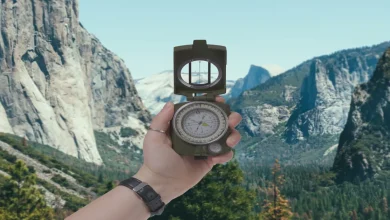
The second question is about redundancy, which is where ultralight philosophy and alpine safety philosophy genuinely diverge. Ultralight packing often eliminates redundancy deliberately one lighter option instead of two heavier ones. Alpine environments sometimes demand redundancy precisely because conditions can make your primary system fail. Two fire-starting methods. A navigation backup. An extra insulation layer that exists for emergencies, not comfort. These items add weight, and they’re worth it.
The third question is the hardest: are you being honest about the conditions you’ll actually face, or the conditions you’re hoping for? A lot of underpacking happens not from ignorance but from optimism. The forecast looks okay. The trip is only three days. You’ve done this route before. These are the sentences that precede a lot of mountain rescues.
Gear That Earns Its Weight
There are categories where cutting weight at altitude is genuinely smart and low-risk. Cookware is one a titanium pot and a canister stove setup is both lighter and more functional than hauling cast iron into the backcountry, and nobody has ever been rescued because they didn’t have a heavy pan. Clothing redundancy can often be trimmed if your layering system is genuinely versatile. Camp shoes, extra luxury food, oversized first aid kits packed without real knowledge of how to use the contents these are legitimate targets.
Then there are categories where you simply don’t cut. Shelter rated for the actual conditions. Sleeping insulation with real margin. Navigation tools. Emergency communication. A rain layer that actually keeps you dry, not just damp more slowly. These items have weight, and that weight is load-bearing in the most literal sense it’s carrying your ability to survive a situation turning bad.
The middle ground is where experience lives. A seasoned alpinist can often carry less than a beginner and be safer doing it, because they know exactly what they need, they know how to use everything they have, and they know how to read conditions well enough to make real-time decisions. The beginner needs more margin, more redundancy, more forgiveness built into the kit. That’s not a failure of ultralight philosophy. That’s just honest self-assessment.
When the Mountain Decides
There’s a version of this conversation that stays theoretical spreadsheets, gear reviews, forum debates about whether a certain tent pole is worth the extra 80 grams. And then there’s the version that happens at 15,000 feet when the wind picks up faster than the forecast suggested and you’re looking at a night that’s going to be harder than you planned.
In that moment, you don’t think about your pack weight. You think about what you have. You think about whether it’s enough.
The goal of all this deliberation the gear audits, the honest condition assessments, the ruthless elimination of things that don’t earn their place is to arrive at that moment having made good decisions. Not perfect decisions. Not the lightest possible decisions. Good ones.
The mountain doesn’t care about your base weight. It cares, in its indifferent way, whether you respected it enough to prepare properly. The best high-altitude packers understand that ultralight and ultra-safe aren’t opposites. They’re a conversation one that requires you to keep asking harder questions, trip after trip, until the answers start to feel earned rather than assumed.