The Question Nobody Wants to Answer Honestly
My friend Marcus packed a bag, told nobody where he was going, and drove to a trailhead in the Cascades on a Tuesday morning. Three days later, he came back looking like he’d been through something not broken, not rescued, just quietly changed. When people asked if it was dangerous, he shrugged and said, “Define dangerous.”
That shrug has stuck with me for years.
Solo adventures whether we’re talking backcountry hiking, solo travel to unfamiliar countries, or just road-tripping alone for two weeks carry this weight of assumed danger. People lower their voices when you tell them your plans. Your mom texts you every four hours. And somewhere deep in the back of your own skull, a little voice asks: is this actually a terrible idea?
Here’s the thing nobody says out loud: sometimes the answer is yes. And sometimes the danger is the whole point.
What “Dangerous” Actually Means When You’re Alone
Solo adventures carry a specific kind of risk that group travel doesn’t. When you twist your ankle two miles from the trailhead with a buddy, it’s an inconvenience. When you do it alone, it becomes a problem you have to solve entirely by yourself and that difference matters.
But let’s be real about what the actual risks look like, because most people catastrophize in the wrong direction.
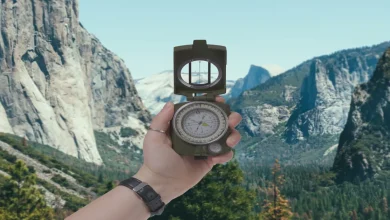
The dangers that kill solo adventurers are almost never dramatic. They’re dehydration. Poor navigation. Underestimating weather. Starting too late in the day. Wearing the wrong shoes and yes, I’ve done that one, badly, on a ridgeline in Colorado where I had no business wearing trail runners instead of boots. I made it back fine, but my ankles were screaming and my pride was worse.
The dramatic stuff crime, predators, getting stranded happens too, but statistically, it’s far less common than the slow, boring mistakes that accumulate quietly until they become a real situation.
The Counterintuitive Truth About Solo Risk
Here’s where I’ll say something that might irritate people who’ve built their identity around “safety first” outdoor culture: going alone can actually make you safer in certain ways.
When you’re with a group, you diffuse responsibility. Nobody checks the weather because someone else will. Nobody counts the water because there’s always someone who packed extra. The group creates a false sense of security what researchers call “social loafing” and that comfort can make you collectively dumber than any one of you would be on your own.
Alone, you have no backup. So you check everything twice. You turn around when the sky looks wrong. You don’t push through the last mile in fading light because there’s no one to carry you if something goes sideways.
I’m not saying solo is safer overall. It’s not. But the risk profile is different than most people assume, and that distinction matters when you’re deciding whether to go.
When Solo Adventures Actually Go Wrong
The Mistakes That Catch People Off Guard
The solo adventurers who end up in trouble usually share one trait: they underestimated how fast conditions can shift when there’s no one to course-correct with you.
Take navigation. In a group, someone always says “wait, does this look right?” That friction annoying as it is catches errors. Alone, your brain fills in the gaps with confidence you haven’t earned. You convince yourself the trail bends left up ahead because that’s what you want to believe. It doesn’t. Now you’re a mile off course and the light is going.
Communication failures are the other big one. Not telling anyone your plan, your expected return time, or your trailhead location isn’t rugged independence it’s just bad math. If something goes wrong, the window for rescue shrinks dramatically when nobody knows where to start looking.
And then there’s the emotional piece, which people almost never talk about. Loneliness hits differently when you’re also physically uncomfortable. On day three of a solo trip, wet and tired, the internal voice that says “just quit” gets louder. Without a partner to keep you honest, some people make decisions based on mood rather than logic.
What Actually Keeps You Safe Out There
Preparation is obvious, so I’ll skip the part where I list gear like I’m reading from a catalog. What actually keeps solo adventurers safe is harder to package.
It’s the discipline to set a turnaround time and honor it even when the summit is visible and the weather looks fine. It’s telling someone your exact plan, not a vague “I’m going hiking.” It’s carrying a satellite communicator, which costs about as much as a nice dinner and has saved actual lives. It’s knowing your own psychology well enough to recognize when you’re making a decision because it’s right versus because you’re stubborn.
That last one took me years to figure out. I used to think stubbornness was a virtue in the backcountry. Turns out it’s one of the more reliable ways to end up in a situation you can’t get out of.
The Part Nobody Wants to Say
Solo adventures will always carry risk that group travel doesn’t. That’s not a flaw in the concept it’s the feature.
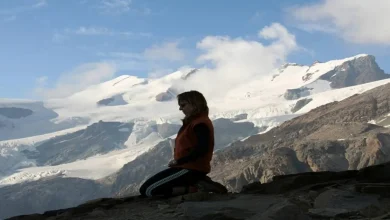
The growth that happens when you’re fully responsible for yourself, when there’s no one to blame and no one to lean on, is a different kind of growth than anything you get in a group. It’s uncomfortable and sometimes genuinely scary, and it changes how you make decisions in every other area of your life.
But here’s the question worth sitting with: are you going alone because you’re ready, or because you haven’t told anyone yet and you’re hoping readiness will arrive on the trail?
Those are two very different trips.
How to Go Solo Without Being Reckless About It
Start smaller than you think you need to. One night out, close to a trailhead, somewhere with cell service. Not because you can’t handle more maybe you can but because you’re learning your own patterns under pressure, and that education is worth more than the summit photo.
Build up the technical skills before you need them. Navigation, first aid, weather reading. Not from YouTube alone actually practice them somewhere the stakes are low.
File a trip plan. Every time. With a real person who will actually call someone if you don’t check in. Not just a note on your kitchen counter.
And carry the satellite communicator. Seriously. It’s not admitting weakness; it’s just doing the math correctly.
Beyond that? Go. The world is genuinely not as dangerous as the fear around solo travel makes it sound. Most of the strangers you’ll meet are curious and kind. Most of the trails are survivable. Most of the nights alone are quieter and stranger and better than you expected.
Marcus, by the way, went back to the Cascades six months later. This time he told me exactly where he was going and when to call for help if he didn’t text by Sunday night.
He came back the same way quiet, changed, a little harder to rattle.
That’s what solo adventures actually do to people. And no, it’s not really dangerous to go alone not if you go honestly.