From Amateur to Advocate: How to Get Involved in Local Trail Building

Why Trails Matter: Beyond the Dirt Underfoot
There’s a unique satisfaction in walking a trail you’ve helped build. Each step carries a deeper connection to the land, a sense of ownership, and the gratifying knowledge that your effort has created something lasting. Trails are more than mere pathways; they’re threads that weave together communities, ecosystems, and individual stories. For hikers, bikers, and nature enthusiasts, trails provide an escape, a challenge, or simply a moment of peace. Yet, few pause to consider the hands that shaped them.
Trail building is an act of quiet advocacy. It’s a commitment to preserving access to natural spaces while respecting the delicate ecosystems within them. For those who’ve admired the well-marked switchbacks on a mountainside or the careful placement of stepping stones across a creek, there’s an invitation waiting: to move from being a passive user to an active contributor. But how does one take that first step toward involvement? The journey from amateur to advocate doesn’t require mastery; it begins with curiosity and a willingness to get your hands dirty.
The First Step: Understanding the Landscape
Getting involved in trail building starts with understanding the land you aim to serve. Trails don’t exist in isolation they are a response to the terrain, the environment, and the needs of the community. Start by exploring local trails as a user. Pay attention to details: How do the paths navigate steep inclines? Where do they cross streams or skirt sensitive habitats? Notice the materials used and the way the trail blends into its surroundings. Every twist, turn, and feature is the result of thoughtful planning.
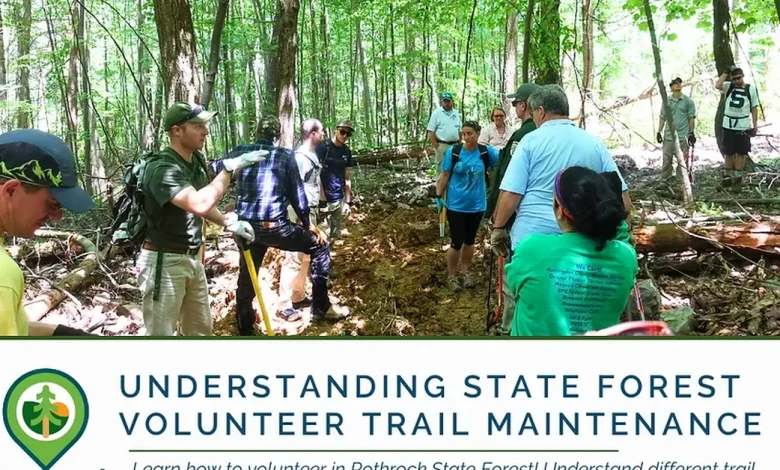
Once you’ve developed an eye for these details, research the organizations responsible for maintaining your local trails. In most regions, trail building is spearheaded by a mix of government agencies, nonprofit organizations, and volunteer groups. Reach out to them. Many host trail days or workshops where newcomers can learn the basics of trail work. These events are often free and provide tools, guidance, and a sense of camaraderie that makes the work feel less daunting.
Tools of the Trade: Learning the Basics
Trail building is as much about science as it is about sweat. While it’s easy to assume the job is all shovels and pickaxes, a deeper understanding of the craft reveals a world of precision and intention. Trails are built to last, which means they must resist erosion, manage water flow, and accommodate a variety of users all while minimizing their impact on the surrounding environment.
If you’re attending a trail workday for the first time, expect to learn the fundamentals of tools like McLeods, Pulaskis, and loppers. You’ll discover that every tool has a purpose, from shaping the trail bed to clearing overgrowth. But beyond the physical tools, you’ll also encounter the principles that guide sustainable trail design. Concepts like “grade reversals” and “bench cuts” might sound technical, but they’re essential for creating trails that endure.
Don’t be intimidated by the jargon or the learning curve. Experienced volunteers and trail coordinators are usually eager to share their knowledge. Remember, everyone starts somewhere, and the seasoned trail builder offering you advice likely began with the same mix of excitement and uncertainty.
Building Community Through Trail Work
One of the most rewarding aspects of trail building is the sense of community it fosters. In a world where many of our interactions are mediated by screens, trail work offers the rare opportunity for face-to-face connection. You’ll find yourself working alongside people from all walks of life students, retirees, outdoor enthusiasts, and conservationists united by a shared goal. These connections often extend beyond the workday, forming friendships rooted in a common love for the outdoors.
Trail building also connects you to the stories of the land. As you dig, shape, and clear, you’ll learn about the history of the area, the wildlife that inhabits it, and the challenges it faces. This deeper understanding transforms the trail from a route on a map to a living, breathing part of the ecosystem.
Advocacy in Action: Finding Your Voice
As your involvement grows, so does your ability to advocate for trails and their preservation. Advocacy isn’t limited to lobbying policymakers or attending public meetings (though those are valuable contributions). Sometimes, it’s as simple as educating others. Share what you’ve learned with friends and family. Invite them to join a trail day or explain the importance of sustainable trail design. Advocacy can also take the form of fundraising, organizing events, or even writing about your experiences to inspire others.
For those who want to take their advocacy to the next level, consider joining the leadership of a trail organization or pursuing training in advanced trail building techniques. Many groups offer certifications in areas like chainsaw safety, rock work, or trail design. These skills not only deepen your expertise but also position you as a resource within your community.
The Ripple Effect of Small Actions
Trail building is a long-term investment. The work you do today might not fully reveal its impact for years, as the trail weathers seasons and welcomes countless feet, tires, and hooves. But know that every small action contributes to something greater. A single afternoon spent hauling gravel or clearing brush might seem insignificant, but when multiplied by the efforts of a community, it creates pathways that inspire and sustain.
In the end, the journey from amateur to advocate isn’t about transforming into an expert overnight. It’s about showing up, learning, and contributing in whatever way you can. Trails remind us that progress is often measured in steps sometimes slow, sometimes steady, but always forward. By choosing to get involved, you’re not just building trails; you’re building connections, fostering stewardship, and leaving a legacy that others can follow.
So lace up your boots, pick up a tool, and take that first step. The trails are waiting, and so is the community you’ll find along the way.