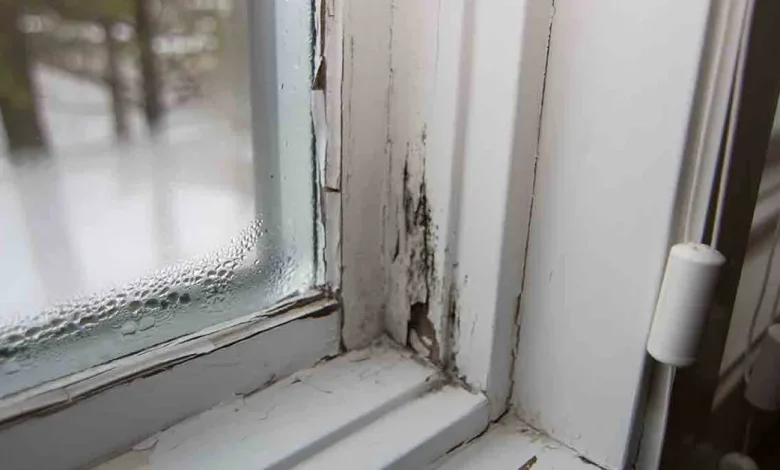
There’s a particular kind of frustration that comes from waking up on a cold morning, walking to your kitchen window, and finding it completely fogged over water beading down the glass, pooling on the sill, maybe even soaking into the wood beneath. You wipe it away. Tomorrow, it’s back. Most people treat condensation like a minor inconvenience, something to dab at with a cloth and forget about. But left unaddressed, that persistent moisture quietly does real damage: warping window frames, feeding mold colonies behind walls, peeling paint, and degrading insulation over months and years. The problem isn’t the water itself. It’s the conditions that keep inviting it back.
Condensation forms when warm, moisture-laden air meets a cold surface. That’s the whole mechanism nothing more complicated than basic physics. But understanding why it keeps happening in your specific home, in your specific rooms, at your specific times of year, requires paying attention to a handful of interacting variables. The good news is that most of those variables are well within your control. You don’t need a contractor or a major renovation. What you need is a clearer picture of what’s actually going on, and a willingness to make a few deliberate adjustments.
Start With the Air You’re Breathing
Indoor humidity is the engine behind almost every condensation problem. When the air inside your home holds more moisture than it can comfortably carry at a given temperature, that excess has to go somewhere and it goes to your coldest surfaces. Windows. Exterior walls. The corners of rooms that don’t get much airflow. Bathroom ceilings.
The target range for indoor relative humidity sits between 40 and 60 percent. Below that, you start feeling it in dry skin and static electricity. Above it, condensation becomes a near-constant companion. A basic digital hygrometer costs less than fifteen dollars and will immediately tell you where you stand. Many people who’ve lived with chronic condensation problems discover their indoor humidity is running at 70 or even 75 percent numbers that make condensation essentially inevitable, regardless of what else they try.
The sources of that excess moisture are often hiding in plain sight. A household of four people breathing, cooking, showering, and doing laundry generates several liters of water vapor every single day. If that vapor has nowhere to escape, it accumulates. Cooking without a lid on boiling pots, drying clothes indoors on racks, even keeping a large number of houseplants in a small, poorly ventilated space each of these contributes more than most people realize.
Ventilation Is the Real Fix Nobody Talks About Enough
Here’s where many condensation guides go wrong: they focus heavily on dehumidifiers and window treatments while glossing over the more fundamental issue. Moisture doesn’t disappear on its own it has to be moved out of the building. Ventilation is how that happens.
Extractor fans in bathrooms and kitchens are designed specifically for this purpose, but they only work when they’re actually running. Leaving the bathroom fan off during a hot shower, or turning it off the moment you step out, means a significant pulse of humid air gets released directly into your home. Run the fan during the shower and for at least fifteen to twenty minutes afterward. In the kitchen, use the extractor hood whenever you’re cooking anything that produces steam not just when things are visibly boiling.
Beyond point-source ventilation, general airflow through the house matters enormously. Trickle vents on windows, if you have them, should be left open rather than snapped shut in winter. The instinct to seal everything up tightly when it’s cold is understandable, but it creates exactly the conditions condensation thrives in: warm, humid, stagnant air pressed against cold surfaces. Opening windows for even ten minutes in the morning particularly in bedrooms, where breathing overnight releases surprising amounts of moisture can meaningfully shift the moisture balance.
Rethink How You Heat Your Home
Temperature consistency plays a more significant role in condensation than most homeowners appreciate. A home that’s heated intensively during the day and allowed to drop sharply at night creates dramatic temperature swings across its surfaces. Walls, windows, and floors that cool down significantly overnight become prime condensation targets when the heating kicks back on and warms the air rapidly.
Low, consistent background heat tends to outperform the blast-and-cool approach from a condensation standpoint. Keeping rooms at a stable, modest temperature even in spaces you’re not actively using prevents surfaces from dropping to the dew point. This doesn’t mean heating empty rooms to full comfort temperature; even a few degrees of background warmth makes a real difference to surface temperatures and reduces the cold-surface problem dramatically.
Unheated rooms deserve particular attention. A spare bedroom or utility room that receives no heat at all becomes a condensation trap. Cold air from that room bleeds into adjacent spaces, chilling the walls between them, and moisture migrates toward those cold zones. If you can’t heat a room consistently, at least keep its door closed to limit the interaction with the rest of the house.
Address the Surfaces Themselves
Windows are the most visible site of condensation, but they’re also often the most misunderstood. Single-glazed windows are almost always cold enough on their interior surface to attract condensation in a normally occupied home during winter. Double glazing significantly raises that interior surface temperature, reducing the problem substantially. Secondary glazing a less expensive retrofit option achieves a similar effect by creating an insulating air gap.
But even with good glazing, condensation can persist if the frame itself is cold. Aluminum frames, in particular, conduct heat away rapidly and can be significantly colder than the glass they hold. Thermal breaks within the frame design help, but older aluminum-framed windows often lack them. In those cases, keeping curtains open during the day to allow warm air to circulate against the glass, and avoiding heavy floor-length curtains that trap cold air against the window at night, can reduce the severity of the problem.
Wall surfaces matter too, especially in older homes with solid masonry construction. Exterior walls in such buildings can be genuinely cold on their interior face during winter, particularly in corners where airflow is limited. Furniture pushed directly against exterior walls blocks air movement and creates a cold, still pocket exactly what mold needs to get started. Pulling sofas and wardrobes a few inches away from exterior walls allows air to circulate, keeps the wall surface slightly warmer, and removes one of the most common hidden causes of mold growth that people mistakenly attribute to leaks or rising damp.
Use a Dehumidifier Strategically, Not as a Crutch
Dehumidifiers do work. In a particularly damp room, or during a period of extended wet weather, running one can pull meaningful amounts of moisture from the air and provide noticeable relief. But they’re most effective when used alongside the other adjustments rather than as a substitute for them.
A dehumidifier running in a bathroom that has no extractor fan and is used by four people for long daily showers is fighting a losing battle. The same machine in a bedroom where ventilation has been improved, humidity sources have been reduced, and heating is consistent will actually make a measurable difference. Think of it as the fine-tuning step rather than the primary solution.
Placement matters more than many people realize. Dehumidifiers need adequate airflow around them to work efficiently, and they should be emptied or drained regularly a full tank means the machine has stopped working. In rooms where condensation is worst, positioning the unit centrally rather than tucked into a corner gives it the best chance of drawing moisture from the full volume of air.
Condensation is one of those problems that rewards patience and observation more than dramatic intervention. The homes that manage it best aren’t necessarily the newest or the most expensively renovated they’re the ones where someone paid attention to the pattern, noticed which rooms were worst in which seasons, and made a handful of quiet, consistent adjustments. The physics doesn’t change. But your relationship with it can.