Breaking the Glass Handlebar: Why More Women are Dominating the Trails

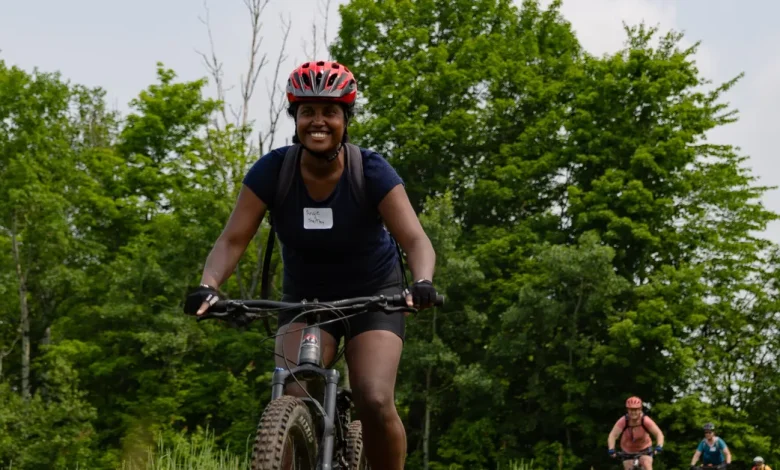
The soft crunch of tires against dirt, the rhythmic cadence of breathing, and the sheer exhilaration of descending a rugged trail mountain biking is more than just a sport. It’s a dance with nature, a test of resilience, and, for many, a path to self-discovery. Once perceived as a predominantly male-dominated pursuit, the sport is undergoing a quiet but powerful transformation. Women are no longer just participants; they’re leaders, innovators, and trailblazers both figuratively and literally.
The Trail Less Traveled: A Historical Perspective
Rewind to the early days of mountain biking in the 1970s, when the sport was born in the hills of Marin County, California. The pioneers names like Gary Fisher and Joe Breeze were almost exclusively men, and the culture reflected that. Bikes were designed by men, for men, often with little consideration for women’s anatomy or preferences. Female riders were few and far between, often viewed as outliers or anomalies in a sport that celebrated grit, adrenaline, and sometimes a touch of recklessness.
Fast-forward to today, and the narrative has shifted dramatically. Women are not only riding but excelling, claiming podiums in competitive racing, founding bike brands, and leading community initiatives to make the sport more inclusive. This shift didn’t happen overnight. It’s the result of decades of advocacy, industry change, and, most importantly, a growing recognition that women bring unique strengths to the trails.
Breaking Barriers: Representation and Role Models
One of the most significant catalysts for change has been the visibility of female athletes in mountain biking. Riders like Kate Courtney, Tahnee Seagrave, and Rachel Atherton have redefined what’s possible, proving that women can compete and win on the toughest courses in the world. Their achievements have inspired a new generation of riders who see themselves not as exceptions but as equals in the sport.
Representation matters. When young girls see women tackling technical descents or launching off massive jumps, it challenges the outdated notion that mountain biking is “too extreme” or “too dangerous” for them. Social media has amplified this effect, allowing female riders to share their stories, struggles, and triumphs with a global audience. Platforms like Instagram and YouTube have become virtual campfires, where women from all walks of life can connect, learn, and find inspiration.
The Industry Awakens: Designing for Diversity
For years, the mountain bike industry operated on a one-size-fits-all model. Most bikes were built around male body proportions, often leaving women to choose between smaller men’s frames or “shrink it and pink it” designs that prioritized aesthetics over performance. But as more women entered the sport, they demanded better.
Today, brands like Liv Cycling, Juliana Bicycles, and Trek’s WSD (Women’s Specific Design) line are leading the charge in creating bikes and gear tailored to women’s needs. These innovations go beyond aesthetics, focusing on geometry, suspension tuning, and component choices that enhance comfort and control. The result? A more accessible and enjoyable experience for riders of all skill levels.
This shift isn’t just about equipment it’s about acknowledgment. By investing in women-specific designs, the industry is sending a clear message: women deserve the same level of consideration and respect as their male counterparts.
Community Over Competition: The Rise of Women-Led Initiatives
One of the most beautiful aspects of mountain biking is its sense of community. And within this community, women have carved out spaces that prioritize collaboration over competition. Organizations like VIDA MTB Series, Little Bellas, and WMNride are creating opportunities for women to learn, ride, and grow together.
These initiatives often emphasize mentorship, skill-building, and confidence over raw speed or technical prowess. It’s not uncommon to see women cheering each other on during a tricky section of trail, sharing tips on cornering technique, or simply celebrating the joy of being outside. This supportive atmosphere has been instrumental in breaking down the intimidation factor that keeps many women from trying the sport in the first place.
The Psychological Edge: Resilience and Adaptability
Mountain biking is as much a mental challenge as it is a physical one. It requires focus, adaptability, and the ability to push through fear and discomfort. In many ways, these traits align with qualities that women have long cultivated in other areas of life.
Take the concept of resilience, for example. Women often face societal pressures and barriers that require them to develop a deep well of inner strength. On the trail, this resilience manifests as the determination to conquer a steep climb or recover from a fall. Similarly, adaptability a skill honed by juggling multiple roles and responsibilities becomes an asset when navigating unpredictable terrain or weather conditions.
These psychological strengths don’t just make women capable mountain bikers; they make them exceptional ones. They bring a unique perspective to the sport, one that values perseverance over bravado and encourages others to redefine their limits.
Redefining Success: It’s Not Just About Speed
For many women, mountain biking isn’t about shaving seconds off lap times or hitting the biggest jumps it’s about the experience. It’s about the freedom of exploring new trails, the camaraderie of group rides, and the sense of accomplishment that comes from mastering a challenging feature.
This redefinition of success is reshaping the culture of mountain biking. By prioritizing inclusivity and personal growth over competition, women are broadening the sport’s appeal and making it more welcoming for everyone. Men and women alike are benefiting from this cultural shift, as the emphasis moves away from ego and back to the pure joy of riding.
The Road Ahead: Building Momentum
Despite the progress, challenges remain. Women still face barriers to entry, from the high cost of gear to the lack of representation in certain disciplines like freeride and downhill. But the momentum is undeniable. With every new rider, every women-led event, and every innovative product designed with inclusivity in mind, the glass handlebar cracks a little more.
The trails are calling, and women are answering not just as riders, but as leaders, advocates, and visionaries. They’re proving that mountain biking isn’t just a sport; it’s a movement. And this movement is as unstoppable as the riders who dare to push the boundaries of what’s possible.
So the next time you see a group of women tackling a rocky descent or laughing their way through a muddy climb, remember: they’re not just breaking barriers. They’re building a legacy. And the trails will never be the same.